


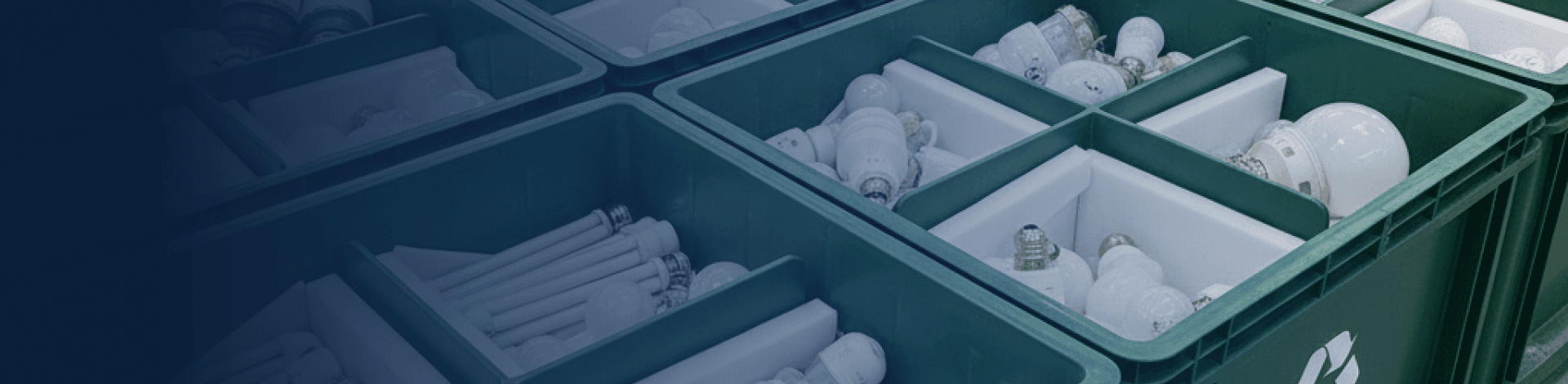
Light Bulb Recycling Services
Recycle Technologies has recycled fluorescent lamps and other light bulbs since 1993, processing everything at its own Minnesota and Wisconsin facilities rather than sending materials through a broker.

What’s Light Bulb Recycling?
Light bulb recycling is the process of collecting used or spent bulbs and routing them through a facility equipped to separate and recover their components, rather than placing them in general trash. Fluorescent-type lamps in particular contain small amounts of mercury, which is why many organizations look for a recycler that can document how bulbs are handled from pickup through final processing.
At Recycle Technologies, bulbs are broken down so their materials can be separated and directed to the appropriate next step. Mercury-contaminated phosphor powder and filters are shipped to a distillation company.
Glass is put toward further use in industrial products, and aluminum end caps are collected and sent to an aluminum salvage partner. The company handles this work directly at its own Midwest facilities rather than outsourcing it to a third party.
For businesses, facilities, and property managers, working with a recycler that manages the full process in-house makes it easier to account for where bulbs end up and to keep records tied to a documented recycling program rather than an unverified disposal method.
Read More
What We Accept
Not sure whether a specific lamp type qualifies? Contact Recycle Technologies directly to confirm before scheduling a pickup or mail-in shipment.
How Do We Recycle Light Bulbs?
Recycling a bulb involves more than dropping it in a bin. Here’s what happens once a bulb leaves your facility and enters Recycle Technologies’ process, from collection through material recovery.
- Step 1: Collection Businesses can schedule a pickup, which is available exclusively to commercial customers, or use Recycle Technologies’ nationwide Universal Waste Mail-In Program to ship bulbs from anywhere in the country.
- Step 2: Packaging and Storage Because the Department of Transportation regulates how bulbs are packaged for shipping, Recycle Technologies recommends its own fiber bins or the original boxes replacement bulbs arrived in. The company can also deliver packing materials to customers ahead of a scheduled pickup.
- Step 3: Processing Collected bulbs are processed directly at Recycle Technologies’ Minnesota and Wisconsin facilities. The company handles this step itself instead of routing materials through an outside broker.
- Step 4: Separation During processing, mercury-contaminated phosphor powder and filters, glass, and aluminum end caps are separated from one another so each material can be directed to the right next step.
- Step 5: Recovery Phosphor powder and filters are shipped to a distillation company. Glass is put toward further use in industrial products, and aluminum caps are sent to an aluminum salvage partner.
Certifications & Standards





Recycle Technologies follows recognized environmental standards and holds leading industry certifications, ensuring e-waste is handled responsibly from collection through final processing.
Client’s Stories
Real results from real partnerships. See how organizations simplify ITAD, strengthen data security, and recover value from retired hardware.
 Technology
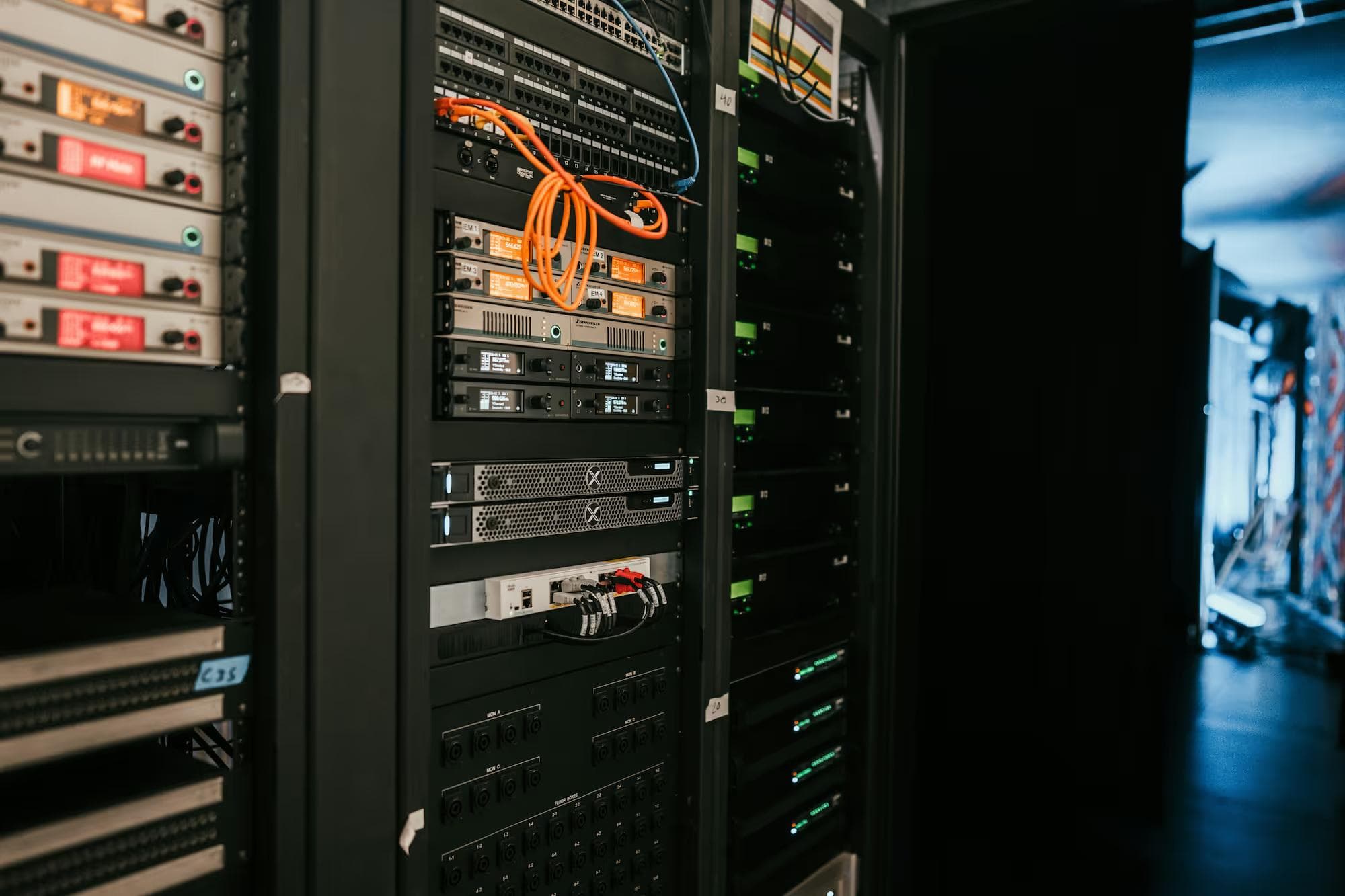
SaaS Company Completes Data Center
Migration with Zero Downtime and Full
Asset Transparency
Read Story
 Technology
SaaS Company Completes Data Center
Migration with Zero Downtime and Full
Asset Transparency
Read Story Technology
SaaS Company Completes Data Center
Migration with Zero Downtime and Full
Asset Transparency
Read Story
Frequently Asked Questions
Recycling helps conserve resources, reduce pollution and support economic sustainability.
Ready to Recycle Your Light Bulbs?
Whether you need a commercial pickup or want to ship bulbs through the mail-in program, Recycle Technologies can get your used or spent lighting into a documented recycling process. Get a quote or schedule a pickup to get started. Related service: Ballast Recycling, for the PCB- and DEHP-containing capacitors often found alongside fluorescent fixtures.
 1523 99th Ln NE, Blaine, Minnesot. 55274
 +1-786-558-1234
 dispatch@recycletechnologies.com